
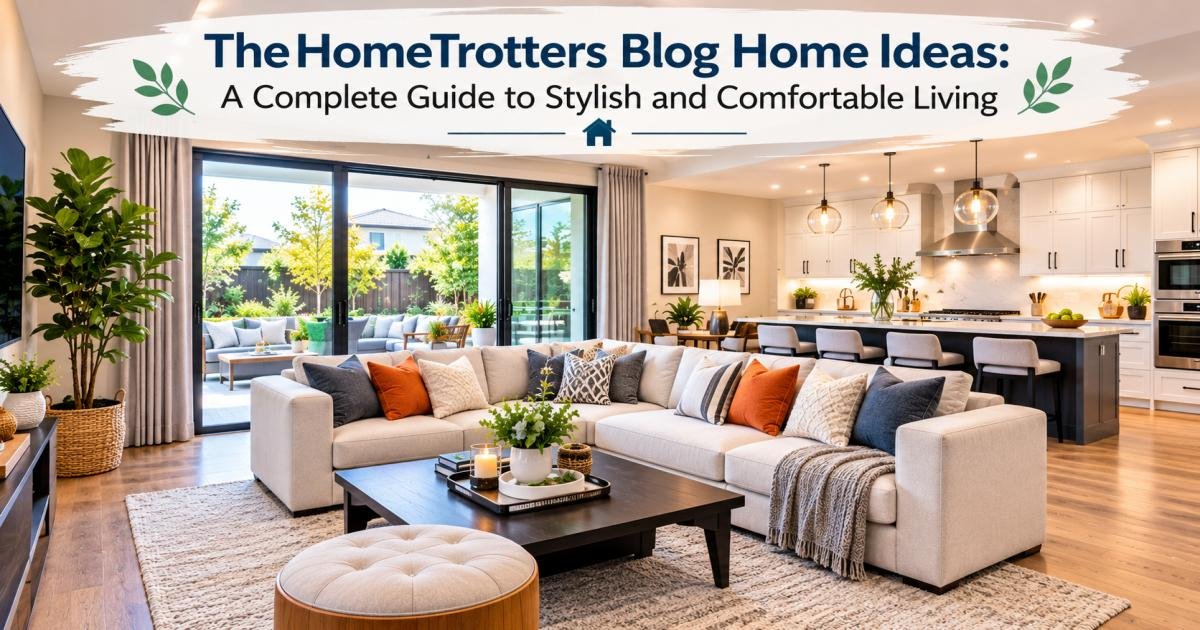
TheHomeTrotters Blog Home Ideas: A Complete Guide to Stylish and Comfortable Living
TheHomeTrotters blog home ideas are practical decorating, organizing, and DIY tips linked to TheHomeTrotters.com, a home and lifestyle website. The core message is simple: a home should look good and still be easy to live in. This guide explains what the phrase means, then walks you through room-by-room ideas, budget fixes, small-space tricks, and smart upgrades you can try this month.
One honest note first. Third-party pages describe the site in very different ways, and we could not confirm who runs it or check claims like traffic numbers and team size. So the advice below rests on widely accepted design practice, not on anything exclusive to one blog.
What Are TheHomeTrotters Blog Home Ideas?
In plain terms, it is a search phrase people use to find home decor and home improvement ideas connected to TheHomeTrotters.com. Articles about the site describe a mix of decor inspiration, DIY fixes, storage ideas, and design advice for both small and large homes. Affordable room refreshes, sustainable materials, seasonal styling, and everyday comfort come up again and again.
You may also see a few related searches, and they can cause confusion. Blog home ideas thehometrotters is simply the same topic worded differently. Coolideas thehometrotters com points to a “Cool Ideas” section that, according to outside articles, shares makeover and DIY tips. Tech thehometrotters .com is described by some pages as the technology side of the site, mostly smart home topics, but the details vary, and some bigger claims come with no proof. Names such as McNamara TheHomeTrotters and thehometrotters trisha are a different matter. We found no reliable source linking a person with either name to the site, so treat any article that presents them as authors or founders with caution until you see real evidence.
TheHomeTrotters Blog Home Ideas: Essential Home Decor Inspiration
People who search for thehometrotters .com home decor ideas usually want comfort-first decorating, not showroom looks. Four principles sit behind most of it, and they work in any style.
First, start with how you live, not with how a room looks in a photo. A reading chair nobody sits in is clutter, no matter how pretty it is. Second, build a calm base. Pick two or three main colors and repeat them across the room so the eye has somewhere to rest. Third, layer texture. Wool, linen, wood, and ceramic make a plain room feel warm without adding more stuff. Fourth, add a few personal items, such as framed photos, books, or souvenirs from trips. They are what make a house feel like yours.
Room-by-Room Home Decorating Ideas
Every room has a job. Decide what that job is, then choose pieces that support it.
Living Room Decorating Ideas
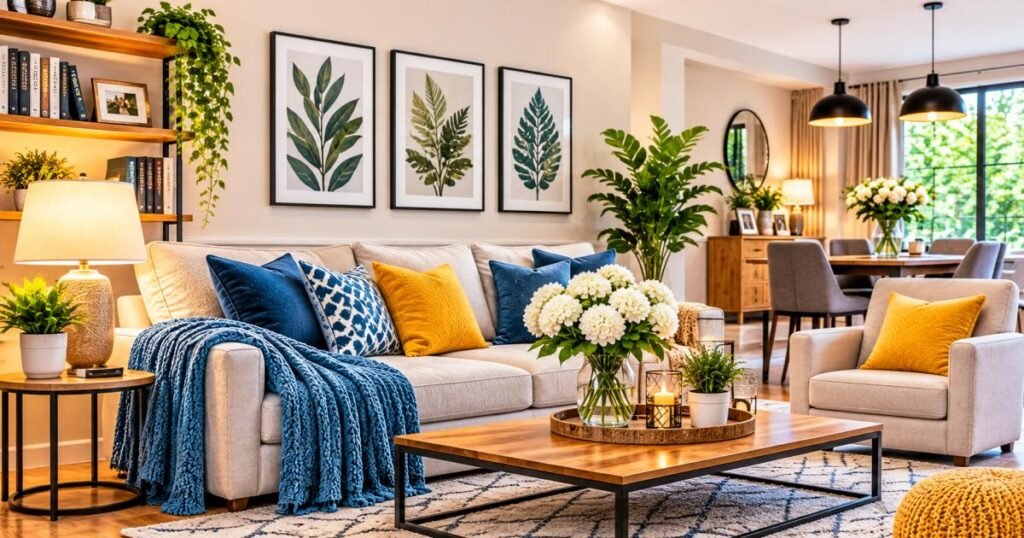
The living room works the hardest, so start with the rug. A rug that is too small makes the whole space look scattered. As a rule, at least the front legs of your sofa and chairs should sit on it. In many living rooms, that means an 8-by-10-foot rug, though your layout may call for something different.
Next, use layered lighting. Combine one overhead light with a floor lamp and a table lamp, and choose warm bulbs around 2700K to 3000K for a soft glow. Hang curtains higher and wider than the window frame so the window looks larger. Keep the coffee table about 14 to 18 inches from the sofa so you can reach it without leaning. Finish with pillows and a throw in mixed textures.
Bedroom Design Ideas for Better Comfort
Comfort comes first here. Spend on the mattress and bedding before anything else, and keep the colors soft and low-contrast. Blackout curtains help you sleep, and bedside lamps with warm bulbs help you wind down. Many sleep experts suggest keeping the room cool, roughly 60 to 67°F (15 to 19°C).
Keep nightstands close to mattress height and leave surfaces clear. Fewer things in sight usually makes a bedroom feel calmer. A bench or basket at the foot of the bed gives extra blankets a home.
Kitchen Decor and Organization Ideas
A good kitchen starts with clear counters. Keep out only what you use every day and store the rest. Drawer dividers and pull-out organizers stop cabinets from turning into piles, and a wall rail with hooks keeps utensils within reach. Store tools close to where you use them, for example, spatulas and spoons near the stove.
For a quick style change, swap the cabinet knobs and add under-cabinet lighting. Both cost little, and the difference shows right away.
Bathroom Design and Space-Saving Solutions
In a small bathroom, go vertical. Shelves above the toilet, a mirrored cabinet, and hooks behind the door free up counter and floor space. A large mirror and light colors make the room feel bigger.
Choose moisture-friendly materials such as ceramic, sealed wood, and quick-drying towels, and make sure the room has good ventilation so damp does not build up. Small baskets or trays keep daily items together.
Dining Room Styling and Decoration
Size matters at the table. Leave about 36 inches between the table edge and the wall or sideboard so chairs can slide out. Hang a pendant light roughly 30 to 36 inches above the tabletop, which lights the table without blocking anyone’s view.
Keep centerpieces low enough that guests can see each other. A sideboard adds storage for linens and serving dishes, and its top is a good spot for a lamp or a piece of art.
Budget-Friendly Home Decorating Ideas
You do not need a large budget for a noticeable change. Begin with what costs nothing: move furniture, shift lamps, and bring in items from other rooms. Then move on to low-cost updates. A fresh coat of paint usually gives the biggest change per dollar. New cabinet hardware, pillow covers, and curtains come next, and thrifted frames can make a gallery wall for a fraction of the price of new art.
Set a limit for each room before you shop, and spend most on the things you use daily, like the sofa, mattress, and lighting. Spend less on accessories, since they are easy to swap later. Measure twice before you buy. Returns take time, and many stores do not make them free.
Small-Space Decorating Ideas for Modern Homes
Small homes reward careful choices. Pick furniture that does more than one job, such as a storage ottoman, a bed with drawers, or a drop-leaf table that folds against the wall. Use wall space for shelves and hooks so the floor stays open.
Place a mirror across from a window to bounce light around the room. Choose furniture with visible legs, because seeing the floor under a piece makes the space feel larger. One big rug looks calmer than several small ones, and a few larger decor items look cleaner than many tiny ones. You do not have to paint everything white, either. A deep color on one wall can add depth if the rest of the room stays light.
Popular Interior Design Styles to Explore
You do not have to follow one style strictly, but knowing the options helps you choose. Modern minimalist uses clean lines, few objects, and a limited palette. Scandinavian adds light wood, soft textiles, and plenty of natural light. Mid-century modern features tapered legs, warm wood, and simple shapes. Farmhouse and cottage styles lean on worn wood, vintage pieces, and cozy fabrics. Bohemian mixes patterns, plants, and handmade items. Industrial brings in metal, brick, and raw finishes. Coastal relies on airy whites, soft blues, and natural fibers.
A simple approach works well: choose one main style, then borrow a detail or two from another. A Scandinavian living room with a vintage rug, for example, still feels calm but has more personality.
Color Schemes, Lighting, and Textures That Transform a Home
Color is easier when you follow the 60-30-10 rule. About 60 percent of the room is a main color, usually the walls and large furniture. Around 30 percent is a secondary color, such as curtains or an accent chair. The last 10 percent is a bold accent, like pillows or art. Before you commit, test paint samples on two walls and look at them in the morning, afternoon, and evening. Light changes how a color looks more than most people expect.
Lighting works in three layers: ambient light for the whole room, task light for jobs like reading or cooking, and accent light for art or shelves. Add dimmers where you can. Warm bulbs suit living rooms and bedrooms, while cooler white light works better in task areas like a home office.
Texture finishes the picture. Aim for at least three different textures in each room, for instance, a wool throw, a wood table, and a ceramic lamp base. That mix keeps a neutral room from feeling flat.
DIY Home Improvement Projects Worth Trying
Start with projects that carry low risk and give clear results: painting an accent wall, swapping cabinet hardware, adding peel-and-stick tile or wallpaper (a good option for renters), and refinishing a thrifted dresser. Floating shelves are another favorite. Use a stud finder or the right wall anchors, and check the weight rating before you load them.
Safety comes first. Turn off the power at the breaker before you change a light fixture. In the US, homes built before 1978 may have lead-based paint, so test before you sand or scrape. Wear a mask and eye protection when sanding, and hire a licensed professional for gas lines, major wiring, or anything that touches a structural wall.
Smart Home Ideas and Technology for Modern Living
Smart upgrades do not need to be complicated. Smart plugs, smart bulbs, a video doorbell, and a programmable thermostat cover most needs. The U.S. Department of Energy says that turning a thermostat back 7 to 10°F for about eight hours a day can cut yearly heating and cooling costs by up to around 10 percent. It also reports that LED bulbs use at least 75 percent less energy than traditional incandescent bulbs and last far longer.
Pick one ecosystem, such as Amazon Alexa, Google Home, or Apple Home, so your devices work together. Many newer devices support the Matter standard, which improves compatibility across brands. Start with one or two devices and add more only when they solve a real problem.
Security matters too. Change default passwords, turn on two-factor authentication, install updates, and read what data each device collects. If you read smart home content on tech thehometrotters .com or any similar site, compare product claims with the maker’s own specs and independent reviews before you buy.
Sustainable and Eco-Friendly Home Decorating Ideas
Greener decorating often saves money. Buy secondhand or vintage first, since older furniture is often better built, and repair before you replace. When you buy new, choose durable natural materials like solid wood, cotton, linen, wool, and jute. Look for low-VOC paints, which release fewer fumes.
Certifications such as FSC for wood, GREENGUARD for low chemical emissions, and OEKO-TEX for textiles give you something to check, unlike vague “eco” labels. Switch to LED lighting, add a few houseplants, and donate items you no longer use instead of throwing them away.
Home Organization Ideas for a Clutter-Free Lifestyle
Do not try to organize the whole house in a weekend. Work in small zones, one drawer or shelf at a time, and set a 15-minute timer. Give every item a home, and keep daily-use things where you use them. An entry spot with hooks, a tray for keys, and a basket for shoes saves a lot of morning stress.
Clear bins with labels make storage easy to scan, and under-bed containers use space that would otherwise go to waste. A “one in, one out” habit keeps clutter from creeping back, and a 10-minute reset at the end of the day takes pressure off the weekend.
Outdoor and Garden Ideas to Improve Your Living Space
A balcony, patio, or small yard can work as another room. Define a sitting area with weatherproof seating and an outdoor rug. Add string lights, ideally solar-powered, for evenings. Planters of herbs or flowers bring life to a small balcony and are easy to manage.
In a garden, native plants usually need less water and support local pollinators. Privacy screens or tall planters make a shared space feel more private. If you add a fire pit, keep it well away from the house and follow local rules.
Seasonal Home Decor Ideas for Every Occasion
Seasonal changes work best when they stay small. Keep your base decor neutral and swap pillow covers, throws, candles, and a wreath. Spring suits lighter fabrics and fresh flowers. Summer calls for linen, open windows, and time outside. Fall brings warm tones, wool, and natural items like branches. Winter is the time for layered lighting, evergreens, and holiday lights. Store off-season items in labeled bins so the next swap takes minutes.
Practical Tips for Creating a Stylish and Comfortable Home
A few habits make every project easier. Change one thing at a time and live with it for a week before you add more. Keep walkways at least 30 inches wide, and 36 inches if you can. Hang art so its center sits about 57 inches from the floor, which is close to average eye level.
Sit in every chair and lie on every bed you buy, because comfort is the whole point. Edit often. If something does not earn its place by being useful or loved, let it go. And clean surfaces do more for a room than any new accessory.
How to Choose the Right Home Ideas for Your Lifestyle
Not every idea suits every home. Ask yourself a few honest questions. Who lives here, and do you have kids or pets? Do you rent or own? How much time do you want to spend on upkeep? What annoys you most about the space today? Start with that last answer, because fixing a daily annoyance gives the biggest payoff.
Then match ideas to your answers. Families and pet owners do better with washable fabrics and durable rugs. Renters should look at removable wallpaper, freestanding shelves, and plug-in lighting. People who work from home need a proper desk, good task lighting, and a setup that can be tidied away at the end of the day.
Test before you spend. Use painter’s tape on the floor to outline new furniture, and tape paint swatches to the wall before you buy a full gallon.
Conclusion
The idea behind TheHomeTrotters blog home ideas is easy to remember: make a home that looks good, feels good, and fits your daily life. You do not need a big budget or a full renovation. Small, well-chosen changes to lighting, color, storage, and layout often matter more than expensive pieces.
Pick one room and one problem, then make one change this weekend. Live with it for a few days, see how it feels, and build from there. As you read other sources, including the many sites that cover this topic, check dates, look for specific details, and trust ideas you can test in your own space.
FAQs
What Are TheHomeTrotters Blog Home Ideas?
They are home decor, organization, DIY, and smart-living tips connected to TheHomeTrotters.com. The focus is on practical homes that look good and feel comfortable. Because many other websites also use the phrase, check the date and source of any article before you rely on it.
Where Can I Find TheHomeTrotters Home Decor Ideas?
The best place to start is the official site, TheHomeTrotters.com. Outside articles also mention a “Cool Ideas” section on a related subdomain. Other blogs write about the same topic, but their details do not always match, so the official site is the safer source.
How Can I Decorate My Home on a Small Budget?
Start with free changes, like moving furniture and lamps. Then add low-cost updates such as paint, new cabinet hardware, pillow covers, and thrifted frames. Set a limit for each room and spend more on daily-use items than on accessories.
What Are the Best Home Decor Ideas for Small Spaces?
Choose furniture that does two jobs, use wall space for storage, and place a mirror across from a window. Pick pieces with visible legs, use one large rug, and keep colors light.
How Can I Make My Home Look Stylish and Comfortable?
Layer your lighting, mix at least three textures in each room, and keep surfaces clear. Choose furniture that fits the room’s size, and add a few personal items like photos or books.
What Are Some Easy DIY Home Improvement Projects?
Painting an accent wall, swapping cabinet hardware, hanging a gallery wall, and adding peel-and-stick tile or wallpaper are all beginner-friendly. Turn off the power before touching light fixtures, and test for lead paint in older homes before sanding.
Which Interior Design Styles Are Best for Modern Homes?
Modern minimalist, Scandinavian, and mid-century modern fit most modern homes because they favor clean lines and simple shapes. The best choice depends on how you live, so many people blend one main style with details from another.






One Comment